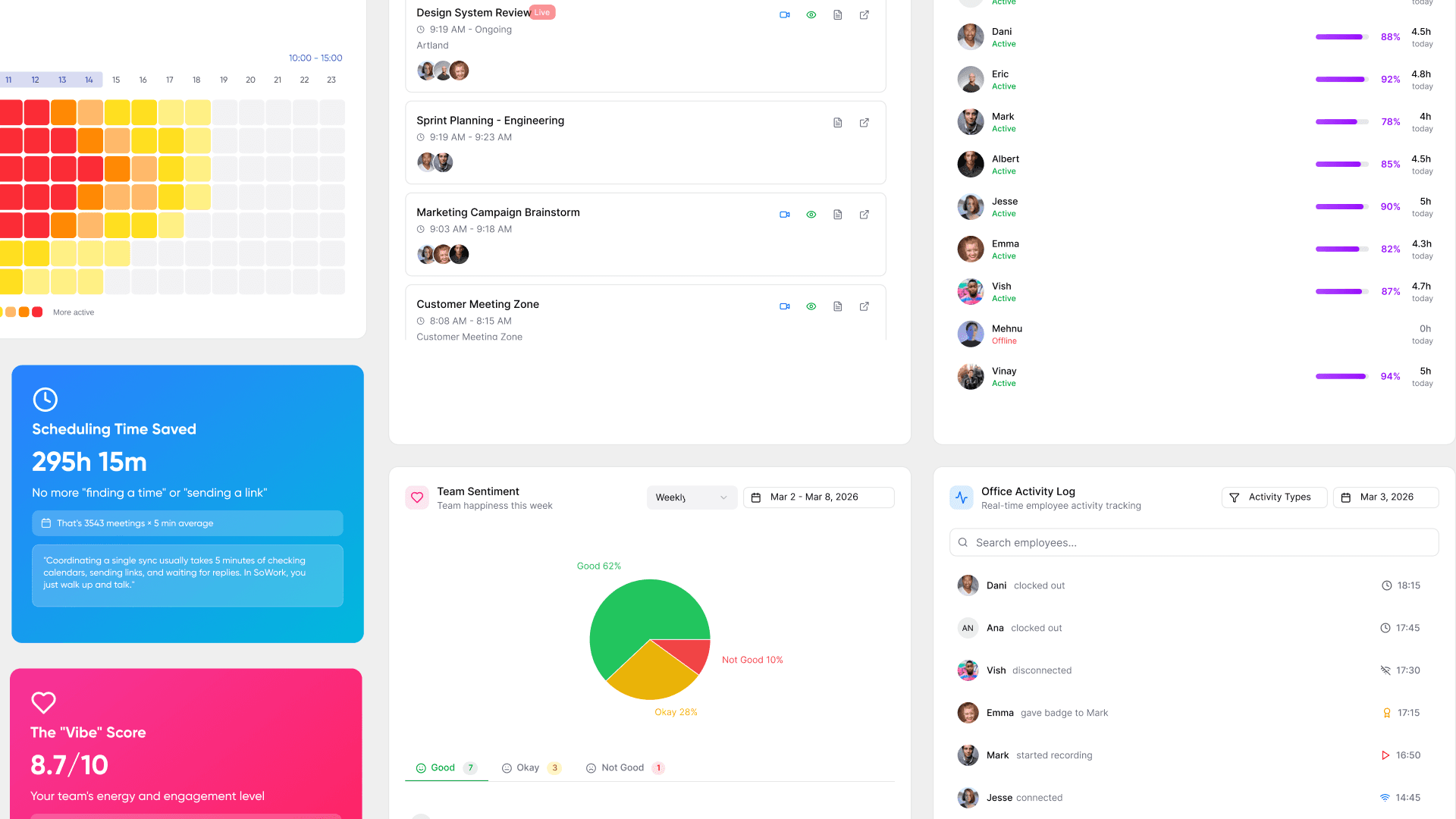
SoWork vs Sococo: Melhor custo-benefício para pequenas equipes remotas
Vishal Punwani

Publicado em:
Atualizado em:
O SoWork entrega mais valor para pequenas equipes remotas em 2026. Ele começa gratuito para até 10 usuários, escala para $6/usuário/mês no plano Basic e $15/usuário/mês no Premium, e inclui resumos de reuniões por IA, percepção de presença e sincronização de calendário em todos os níveis pagos. O Sococo começa em $14.99/assento/mês com um mínimo de 10 assentos e um limite de mídia de 500 minutos que adiciona custos extras imprevisíveis.
Como funciona a estrutura de preços do SoWork em 2026?
O SoWork oferece um plano gratuito para até 10 usuários, um nível Basic por $6/usuário/mês ($5.40 anuais) e um nível Premium por $15/usuário/mês ($12 anuais). Não há quantidade mínima de assentos nos planos pagos.
O plano gratuito do SoWork cobre os recursos essenciais do escritório virtual, incluindo videoconferência e percepção de presença para equipes de até 10 membros [1]. O nível Basic a $6/usuário/mês (ou $5.40 cobrados anualmente) atende às necessidades básicas de colaboração para equipes em crescimento. O Premium a $15/usuário/mês ($12 anuais) adiciona resumos de reuniões por IA, itens de ação e análises de equipe [1]. Um nível Enterprise com SSO, SCIM e descontos por volume está disponível para mais de 100 usuários [1]. Não há exigência de assentos mínimos para os planos pagos, o que torna o SoWork verdadeiramente acessível para equipes de 5 a 15 pessoas.
Como funciona a estrutura de preços do Sococo em 2026?
O plano padrão do Sococo custa $14.99/assento/mês (ou $13.49 anuais) e exige um mínimo de 10 assentos. Não há plano gratuito. Um plano Unlimited por $24.99/assento/mês exige um mínimo de 100 assentos.
O Sococo não possui plano gratuito, portanto pequenas equipes precisam pagar desde o primeiro dia [2]. O plano padrão inclui 500 minutos por assento por mês de vídeo e áudio nativos, com minutos excedentes cobrados a $5 por cada 1.000 minutos adicionais [2]. Para uma equipe de 10 pessoas pagando mensalmente, o custo mínimo é de $149.90/mês antes de qualquer excedente. O plano Unlimited de $24.99/assento/mês é inviável para pequenas equipes porque exige um mínimo de 100 assentos [2]. Integrar sua própria conta do Zoom, Webex ou Google Meet contorna o limite de minutos sem custo adicional [3].
Plano | Preço | Mín. de Assentos | Limite de Mídia |
|---|---|---|---|
Standard | $14.99/assento/mês | 10 | 500 min/assento/mês |
Standard (anual) | $13.49/assento/mês | 10 | 500 min/assento/mês |
Unlimited | $24.99/assento/mês | 100 | Ilimitado |
Como o SoWork e o Sococo definem 'Pequenas Equipes Remotas' e quais limites de tamanho se aplicam?
O plano gratuito do SoWork é limitado a 10 usuários; os planos pagos não têm assentos mínimos exigidos. O plano padrão do Sococo exige a compra mínima de 10 assentos, mesmo que sua equipe seja menor.
Para uma equipe de 5 pessoas, o plano gratuito do SoWork não custa nada. O Sococo cobra por 10 assentos de qualquer maneira, o que significa que uma equipe de 5 pessoas paga por 5 licenças não utilizadas [2]. Os planos pagos do SoWork escalam de acordo com o assento real, ou seja, você paga apenas pelos usuários reais [1]. O plano Unlimited do Sococo, que remove o limite de mídia, é restrito a uma exigência mínima de 100 assentos, o que o torna inacessível para praticamente todas as pequenas equipes [2]. O SoWork visa explicitamente equipes de 5 a 200 funcionários com preços previsíveis por assento que não mudam de valor de forma repentina.
Quais recursos principais o SoWork inclui em cada plano de preços?
O plano gratuito do SoWork inclui escritórios virtuais, videoconferência, percepção de presença e suporte para até 10 membros. O plano Basic adiciona ferramentas completas de colaboração em equipe. O Premium adiciona histórico de reuniões por IA, resumos e análises da equipe.
Plano | Recursos Principais |
|---|---|
Gratuito (até 10 usuários) | Escritório virtual, compartilhamento de vídeo/tela, percepção de presença, chat de tópicos |
Basic ($6/usuário/mês) | Todos os recursos gratuitos, reuniões instantâneas, modos de foco, sincronização de calendário |
Premium ($15/usuário/mês) | Todos os recursos do Basic, transcrições de reuniões por IA, resumos, itens de ação, relatórios analíticos |
Enterprise | Todos os recursos Premium, SSO, SCIM, personalização de marca, suporte dedicado |
O histórico de reuniões por IA do SoWork grava, transcreve e resume conversas automaticamente para que nada se perca [1]. A sincronização automática do calendário mantém a disponibilidade atualizada sem necessidade de atualizações manuais, e o Modo Simples e o Mini Modo permitem que os colaboradores sinalizem momentos de trabalho profundo [1].
Quais recursos principais o Sococo inclui em cada plano de preços?
O plano padrão do Sococo inclui um escritório com planta visual, avatares de presença, áudio/vídeo nativo (limitado a 500 min/assento/mês), compartilhamento de tela e chat de texto. Não há ferramentas de reunião por IA integradas.
A interface de planta baixa do Sococo mostra quem está em qual sala e permite bater na porta de um colega para iniciar uma conversa [4]. Integra-se com Zoom, Webex, Google Meet e Microsoft Teams para que as equipes contornem o limite de mídia nativo [3]. Chat, compartilhamento de tela e indicadores de presença em tempo real estão inclusos no plano padrão. O que o Sococo não inclui em nenhum plano para pequenas equipes: notas de reunião por IA, resumos automáticos, rastreamento de itens de ação ou sincronização de calendário. Essas ausências significam que você ainda precisará de ferramentas separadas para registrar os resultados das reuniões, aumentando o custo e a necessidade de alternar entre aplicativos.
Como o SoWork e o Sococo se comparam em relação à percepção de presença e colaboração espontânea?
Ambas as plataformas mostram quem está disponível por meio de indicadores visuais, mas o sistema de presença do SoWork é mais detalhado, com estados de livre, em foco e em reunião que sincronizam automaticamente com seu calendário.
A planta baixa baseada em avatares do Sococo permite ver em qual sala um colega de equipe está e se ele está em uma reunião [4]. Isso é útil, mas os estados de disponibilidade são predominantemente manuais. O SoWork adiciona sincronização de calendário automática, para que o status seja atualizado no instante em que um evento do calendário começa, sem a necessidade de intervenção manual [1]. O SoWork também oferece Modos de Foco (Modo Simples e Mini Modo) que sinalizam momentos de foco profundo sem desconectar o usuário totalmente da equipe [1]. Iniciar uma conversa no SoWork requer apenas um clique no avatar de um colega. Ambas as ferramentas superam o Slack para percepção de ambiente, mas a automação do SoWork reduz o esforço para manter o status atualizado.
Como o SoWork e o Sococo se comparam em qualidade de áudio/vídeo e ferramentas de reunião integradas?
O SoWork inclui vídeo nativo ilimitado e compartilhamento de tela com histórico de reuniões por IA integrado no plano Premium. O Sococo limita o vídeo nativo a 500 minutos por assento por mês e não possui ferramentas nativas de IA para reuniões.
As conferências nativas do Sococo são limitadas a um total acumulado de 500 minutos por assento mensalmente, com taxas de excedente de $5 a cada 1.000 minutos [2]. Equipes que realizam chamadas de vídeo frequentes atingirão esse limite rapidamente. A alternativa do Sococo é integrar uma conta de mídia própria (Zoom, Webex, Google Meet), cuja integração é gratuita, mas exige a gestão de uma segunda ferramenta [3]. O vídeo e o compartilhamento de tela nativos do SoWork não possuem limite documentado de minutos, e o plano Premium grava e resume automaticamente todas as reuniões [1]. Para equipes que desejam apenas uma ferramenta em vez de duas, a estrutura nativa do SoWork é mais completa.
Quais integrações cada plataforma suporta e elas têm custo extra?
O SoWork se integra com Google Calendar, Outlook, Slack, Zoom, Zapier e Otter sem custos extras. O Sococo integra-se com Zoom, Webex, Google Meet, Microsoft Teams e Slack, também sem custos extras.
Integração | SoWork | Sococo |
|---|---|---|
Google Calendar | Sim, gratuito | Via Google Meet |
Outlook / MS 365 | Sim, gratuito | Via MS Teams |
Slack | Sim, gratuito | Sim, gratuito |
Zoom / Webex | Sim, gratuito (BYO) | Sim, gratuito (BYO) |
Zapier | Sim, gratuito | Não |
Miro / GitHub | Sim | Não |
A integração do SoWork com o Zapier abre conexões para centenas de ferramentas adicionais [1]. A lista de integrações do Sococo é menor e focada em sistemas de conferência legados [4]. Nenhuma das plataformas cobra taxas adicionais por suas integrações listadas.
Como o SoWork e o Sococo se diferenciam no processo de integração (onboarding) para equipes sem suporte de TI?
O SoWork não exige o download de software e permite que as equipes criem um espaço de trabalho e convidem membros por link em minutos. O Sococo também é acessível via navegador, mas tem uma configuração inicial mais complexa devido à customização da planta baixa.
A integração do SoWork foi desenvolvida para fundadores e líderes de equipe que não contam com um departamento de TI. Você se cadastra, personaliza seu escritório e compartilha um link de convite. Nenhum download é necessário [1]. O Sococo está disponível como aplicativo de desktop para Mac, Windows e Linux, além de uma versão web [4]. Sua interface de planta baixa é intuitiva uma vez configurada, e os usuários frequentemente o avaliam muito bem quanto à facilidade de uso [5]. A diferença é a agilidade: o plano gratuito do SoWork permite testar toda a experiência antes de comprometer qualquer orçamento, enquanto o Sococo exige um compromisso financeiro mínimo de 10 assentos pagos antes que você possa avaliá-lo seriamente [2].
Quais opções de personalização cada plataforma oferece e em qual plano?
O SoWork permite que as equipes desenhem o layout dos escritórios e personalizem avatares a partir do plano gratuito, com personalização de marca corporativa (logotipo, cores, domínio) disponível no plano Enterprise. O Sococo oferece personalização de planta baixa no plano padrão, com opções de marca disponíveis aos compradores.
A ferramenta MapMaker do SoWork permite que as equipes criem seu escritório virtual com zonas de foco, salas de projeto e espaços de socialização, semelhante ao design no jogo The Sims [1]. A personalização de avatares está disponível em todos os planos. A personalização da marca da empresa (logotipo, cores, domínio) é um recurso exclusivo do plano Enterprise [1]. A personalização de planta baixa do Sococo permite que as equipes organizem as salas para simular o layout real de seu escritório físico [4]. Existem opções de marca, mas estão atreladas à configuração do plano em vez de um editor de autoatendimento. Para equipes que desejam um espaço que realmente se pareça com elas, a profundidade de personalização do SoWork é maior e acessível mais cedo nos planos de preços.
Quais são os custos ocultos ou adicionais no SoWork vs Sococo?
O principal ponto de transparência de custo do SoWork é o acesso de convidados sem custo e a ausência de limites de minutos de mídia. O risco de custo oculto do Sococo reside no limite de 500 minutos de mídia, com cobrança adicional de $5 por cada 1.000 minutos excedentes.
O SoWork permite que convidados participem de reuniões via link sem custos adicionais [1]. Não há cobrança para integrar contas existentes do Zoom ou Webex [1]. O faturamento de excedentes do Sococo é o maior risco de custo oculto: uma equipe de 10 pessoas que utiliza muito vídeo nativo pode consumir seus 5.000 minutos compartilhados em algumas semanas de uso normal [2]. A política de cancelamento do Sococo também gerou reclamações de usuários, com pelo menos uma avaliação destacando a exigência de um aviso prévio por escrito de 60 dias para cancelar o serviço [6]. O modelo de cobrança do SoWork é mais previsível: você paga por assento, convidados são grátis e não há cobranças adicionais baseadas em uso no plano principal.
Quais critérios uma pequena equipe remota deve usar para decidir entre SoWork e Sococo?
Escolha o SoWork se você deseja ferramentas de reunião por IA, preços previsíveis e um teste gratuito. Escolha o Sococo se sua equipe já depende do Zoom ou Webex e precisa apenas de uma interface visual de presença por cima dessas ferramentas.
Critério | Escolha o SoWork | Escolha o Sococo |
|---|---|---|
Orçamento | Mais restrito, menos de 10 pessoas | Pode assumir o mínimo de 10 assentos |
Ferramentas de IA para reuniões | Obrigatório | Não são necessárias |
Videoconferência | Deseja nativa e ilimitada | Já utiliza Zoom/Webex |
Personalização | Quer design detalhado de escritório | Planta baixa básica é suficiente |
Velocidade de onboarding | Precisa começar a usar esta semana | Tem tempo para configurar |
Integrações | Precisa de Zapier/Miro/GitHub | Precisa de Webex/Skype |
O Sococo atende equipes que querem uma camada visual sobre uma estrutura de conferência já existente [7]. O SoWork atende equipes que querem uma única plataforma para substituir toda essa estrutura de ferramentas.
Quais são os riscos conhecidos ou limitações do SoWork para pequenas equipes remotas?
A interface imersiva em 2.5D do SoWork pode parecer incomum para equipes acostumadas a ferramentas tradicionais de vídeo, e os recursos de IA que justificam o preço Premium estão disponíveis apenas nos níveis pagos.
O ambiente de escritório virtual do SoWork é diferente do Zoom ou do Slack, o que significa que alguns membros da equipe precisarão de um curto período de adaptação. O limite de 10 usuários do plano gratuito significa que as equipes em crescimento precisarão fazer o upgrade mais cedo do que gostariam [1]. O histórico de reuniões por IA, o recurso de maior destaque da plataforma, é restrito ao plano Premium que custa $15/usuário/mês. Para uma equipe de 10 pessoas, isso representa $150/mês, o que pode ser um orçamento relevante para uma startup em estágio inicial. Descontos por volume para mais de 100 usuários não são divulgados publicamente, exigindo uma conversa com a equipe de vendas [1]. Estes são pontos a ponderar, mas que podem ser planejados.
Quais são os riscos conhecidos ou limitações do Sococo para pequenas equipes remotas?
Os maiores riscos do Sococo para pequenas equipes são o mínimo de 10 assentos exigido, o limite nativo de mídia de 500 minutos com cobranças adicionais por minutos excedentes e um histórico de mudanças de preços que desagradou clientes antigos.
Avaliações no site Capterra destacam especificamente que os preços do Sococo mudaram várias vezes, com um usuário apontando que uma alteração no plano de preços "interrompeu a colaboração de nossa empresa" quando os minutos acabaram no meio do mês [6]. A exigência de aviso prévio por escrito de 60 dias para cancelamento é incomumente restritiva [6]. O Sococo não possui ferramentas nativas de reuniões por IA, de modo que as equipes que desejam anotações e resumos automatizados devem pagar por um serviço separado, como Otter ou Fireflies. A plataforma também não oferece uma API [8], o que limita integrações personalizadas. Os avaliadores classificam o custo-benefício do Sococo em 3,5 de 5 no Capterra [9], abaixo da média da categoria.
O que os usuários reais dizem sobre o custo-benefício no SoWork vs Sococo?
Os usuários do Sococo frequentemente mencionam que o preço é muito alto em relação ao que é entregue, especialmente após a introdução do limite de minutos. Os usuários do SoWork destacam as ferramentas de IA e o sistema de presença como diferenciais reais.
No Capterra, o Sococo tem nota 3,5 de 5 em custo-benefício [9]. Vários avaliadores descrevem o custo como "muito caro para nossa estrutura atual" e observam que as equipes acabaram voltando para o Slack [6]. O limite de minutos é uma queixa recorrente: "Você ficará sem minutos grátis rapidamente e os custos de manutenção do Sococo são altos" [6]. Avaliações do SoWork no Product Hunt e G2 destacam os resumos de reuniões por IA e os ricos sinais de disponibilidade como os recursos que justificam o custo [10]. Um usuário observou que conversas espontâneas aumentaram significativamente após a mudança para o SoWork [1].
Existem alternativas que oferecem melhor custo-benefício que o SoWork e o Sococo para pequenas equipes?
Gather.town e Kumospace valem a consideração para pequenas equipes com orçamentos restritos. O plano Essential do Gather custa $15/usuário/mês, mas não inclui ferramentas de IA. O Kumospace oferece um plano gratuito para pequenas equipes com uma interface espacial bem cuidada.
O plano Essential do Gather custa $15/usuário/mês (cerca de $12 anuais) sem mínimo de assentos e sem limite de minutos de mídia [11]. É forte em personalização e áudio espacial, mas não possui ferramentas de reunião por IA. O Kumospace oferece um plano gratuito para pequenas equipes e uma interface limpa e corporativa, embora também não possua recursos de IA [12]. O plano Seed do Teamflow começa em $20/usuário/mês, tornando-o a opção mais cara para pequenas equipes [13]. Se o histórico de reuniões por IA e a automação de presença são importantes para você, nenhuma dessas alternativas se equipara ao plano Premium do SoWork. Se você precisa apenas de um espaço de escritório visual, o Gather ou o Kumospace custam menos.
Conclusão: SoWork ou Sococo para pequenas equipes remotas em 2026?
O SoWork vence em custo-benefício para pequenas equipes remotas em 2026. Seu plano gratuito elimina a barreira de entrada, seus planos pagos custam aproximadamente metade do valor do plano padrão do Sococo, e ele inclui ferramentas de reuniões por IA que o Sococo simplesmente não oferece a nenhum preço para equipes com menos de 100 assentos.
Se você lidera uma equipe de 5 a 25 pessoas e deseja percepção de presença, colaboração espontânea e histórico de reuniões por IA em uma única plataforma, o SoWork é a escolha mais lógica. O Sococo faz sentido apenas se sua equipe já estiver muito integrada ao ecossistema do Zoom ou Webex e você desejar apenas uma camada visual de planta baixa, sem alterar suas ferramentas de conferência. Para todos os outros casos, pagar $14.99/assento/mês com mínimo de 10 assentos e limite de minutos de mídia é difícil de justificar quando o SoWork começa gratuito e escala de forma previsível.
Principais Conclusões
O plano gratuito do SoWork suporta até 10 usuários com escritórios virtuais, vídeo e percepção de presença; o Sococo não tem plano gratuito.
O SoWork Basic custa $6/usuário/mês; o plano padrão do Sococo custa $14.99/assento/mês com um mínimo de 10 assentos, tornando-o 2,5 vezes mais caro para pequenas equipes.
O Sococo limita o vídeo nativo a 500 minutos por assento por mês e cobra $5 para cada 1.000 minutos excedentes, um custo oculto real para equipes ativas.
O SoWork Premium inclui transcrições de reuniões por IA, resumos e itens de ação; o Sococo não oferece ferramentas nativas de IA para reuniões em nenhum plano para pequenas equipes.
O SoWork se integra com Zapier, Slack, Google Calendar, Outlook, Zoom e Miro sem custos extras; a lista de integrações do Sococo é menor e focada em ferramentas legadas de conferência.
A política de cancelamento do Sococo exige um aviso prévio por escrito de 60 dias, uma prática incomumente restritiva apontada por diversos usuários.
Gather.town e Kumospace são alternativas viáveis se você precisa apenas de uma camada de escritório espacial e não necessita de ferramentas de IA para reuniões.
Para equipes de 5 a 25 pessoas com orçamento restrito que desejam uma única plataforma para substituir o Zoom, o Slack e uma ferramenta de anotações, o SoWork oferece mais retorno por cada dólar investido em 2026.
Fontes
Perguntas Frequentes
Preços do SoWork vs Sococo em 2026: qual escritório virtual oferece mais valor por menos para pequenas equipes remotas?
O Sococo tem um plano gratuito em 2026?
O que acontece quando você atinge o limite de mídia de 500 minutos do Sococo?
O SoWork funciona para equipes com menos de 10 pessoas?
O Sococo vale a pena se a minha equipe já usa o Zoom?
Qual é a dificuldade de cancelar o Sococo?
O SoWork inclui notas de reunião com IA no plano gratuito?
Quais são as melhores alternativas tanto ao SoWork quanto ao Sococo para pequenas equipes remotas?
Blogs
Leia artigos semelhantes
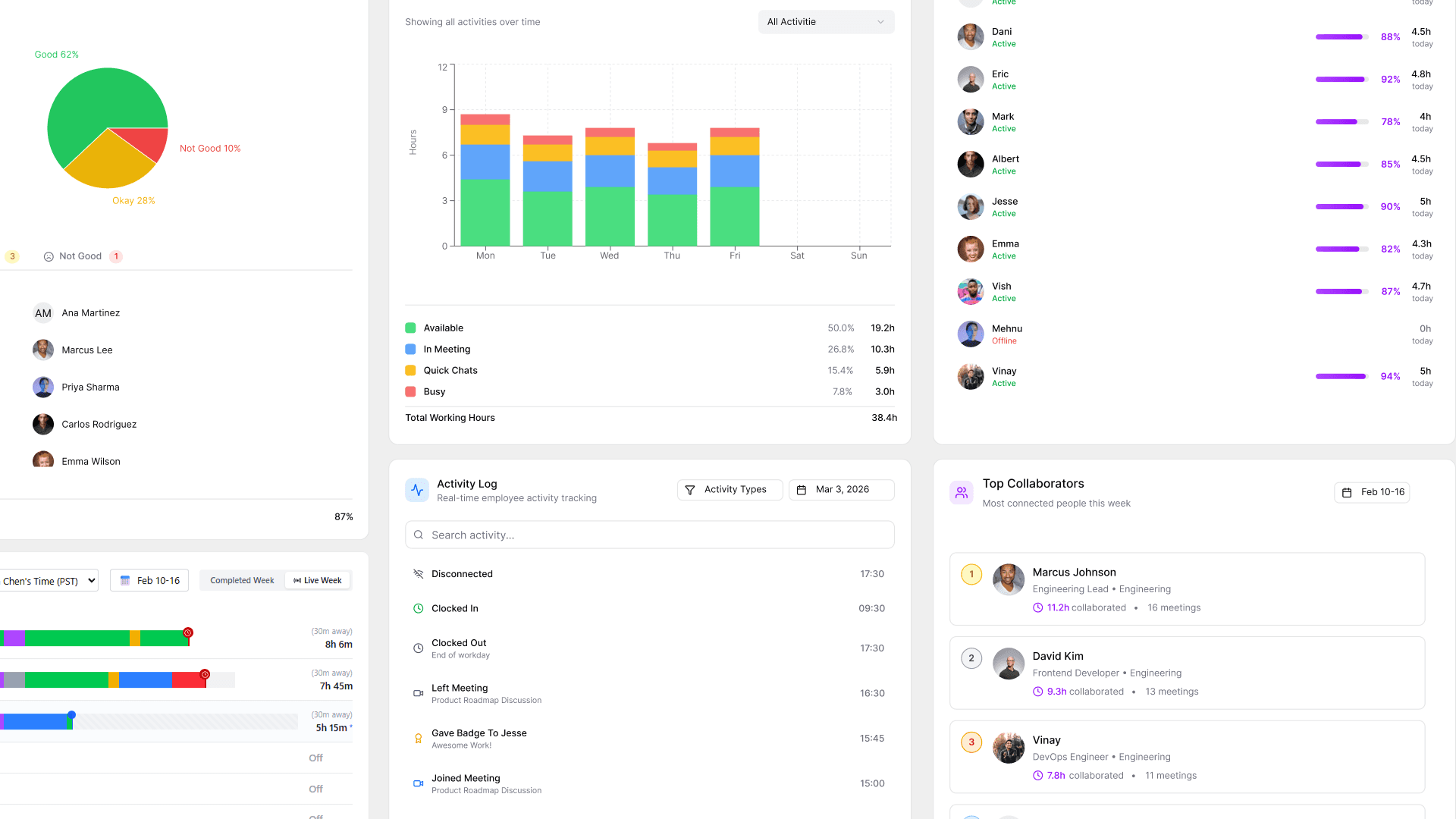
Análise de Equipes Remotas: O Guia Completo para Gestão do Trabalho Remoto Baseada em Dados em 2026
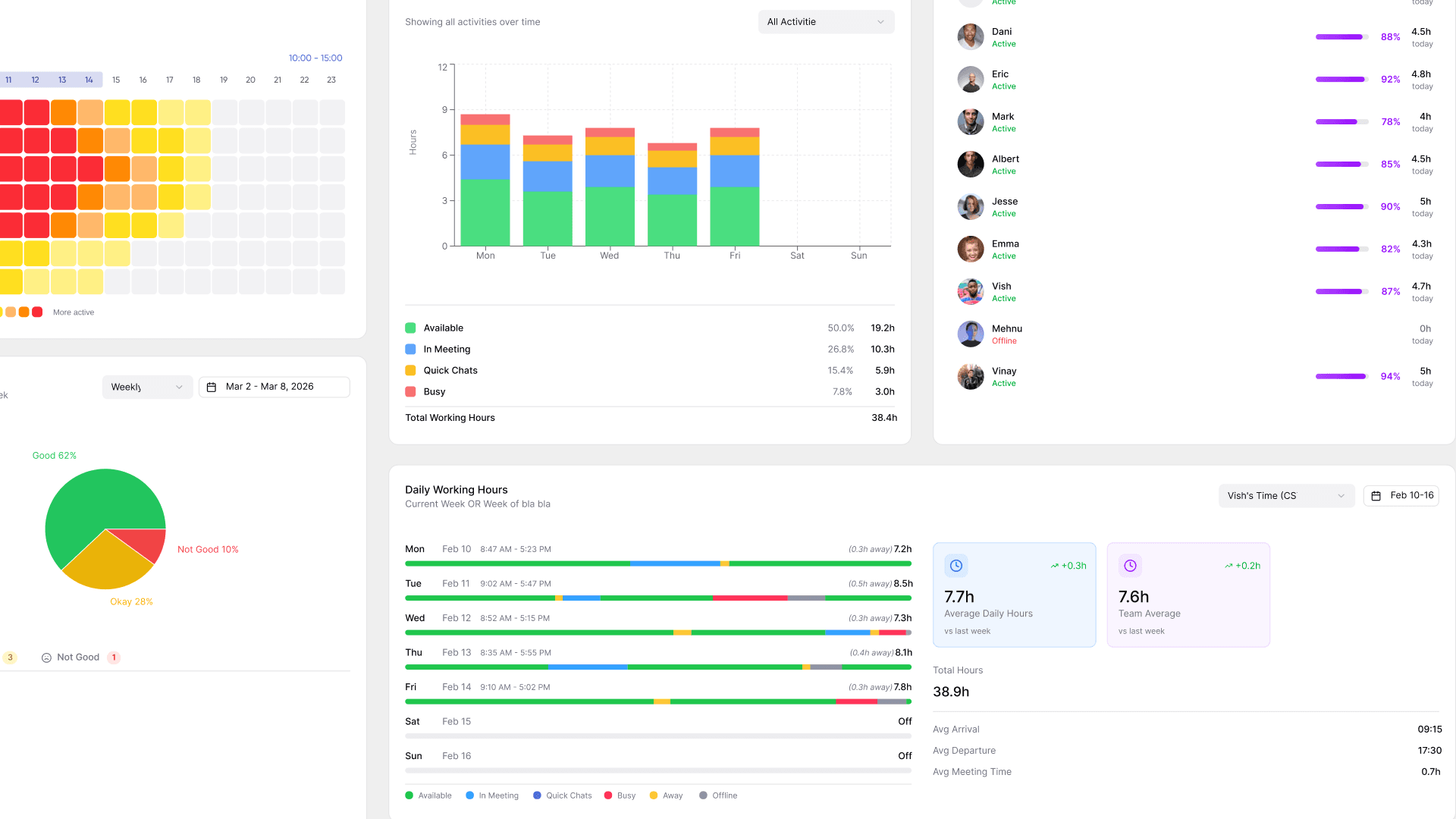
Guia Completo para Obter Visibilidade sobre o Desempenho e a Colaboração de Equipes Remotas