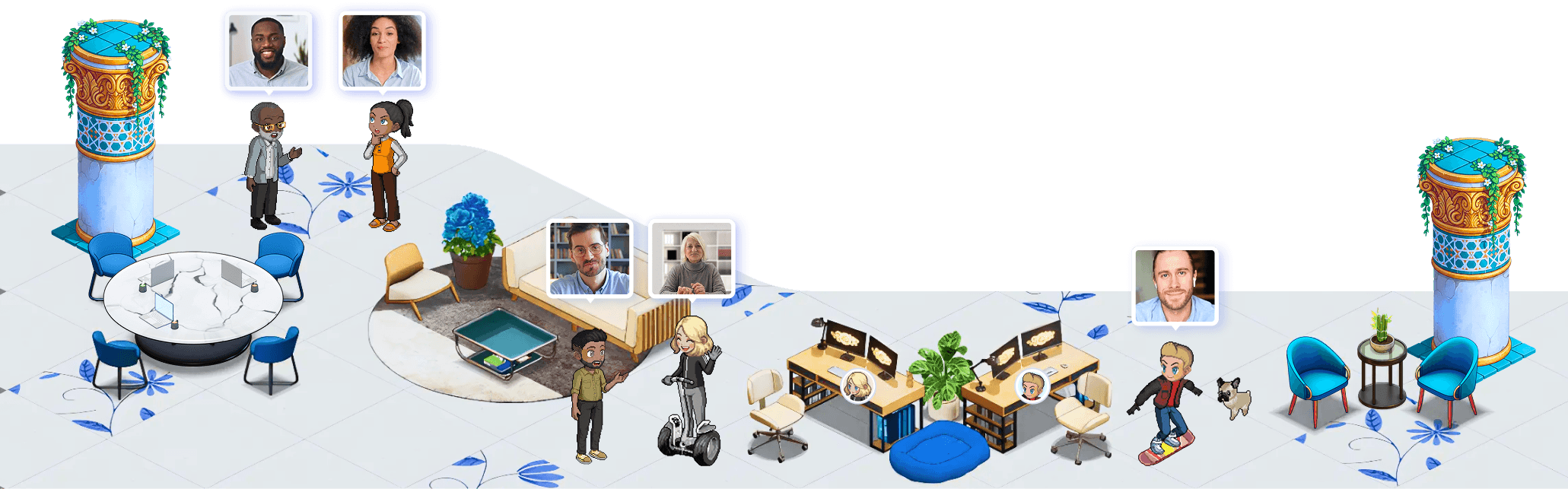
How SquidPixels Rebuilt Culture and Consolidated Tools with SoWork


Steve Adams, Co-Founder of @SquidPixels
As remote workers, we started feeling the loss of human contact.
There was not enough face-to-face interaction, and communication felt fragmented across tools.
When Remote Work Started Costing More Than Money
SquidPixels, a remote-first marketing and advertising agency, embraced distributed work from the beginning. Flexibility was part of the culture. But over time, something began to shift.
Communication became fragmented. Slack threads multiplied. Zoom meetings filled the calendar. Tools started overlapping instead of streamlining work.
What should have felt efficient started to feel scattered.
The issue was not just about productivity. It was about connection.
Spontaneous conversations disappeared. Collaboration required scheduling instead of happening naturally. Engagement dipped. Morale felt the strain.
There was no clear budget line labeled “culture cost,” but the impact was undeniable. Time was lost switching between platforms. Decisions slowed down. Opportunities for real-time collaboration slipped through the cracks.
Remote work was supposed to create freedom. Instead, it was quietly creating friction.
Searching for the Right Virtual Office
SquidPixels explored other platforms, including Kumospace and Gather. They were looking for something more than another meeting tool.
They wanted:
A layout that felt natural
A pricing model that made sense
A long-term product vision they could trust
There were initial concerns about camera security, pricing changes, and product direction. But after exploring their options, SoWork stood out.
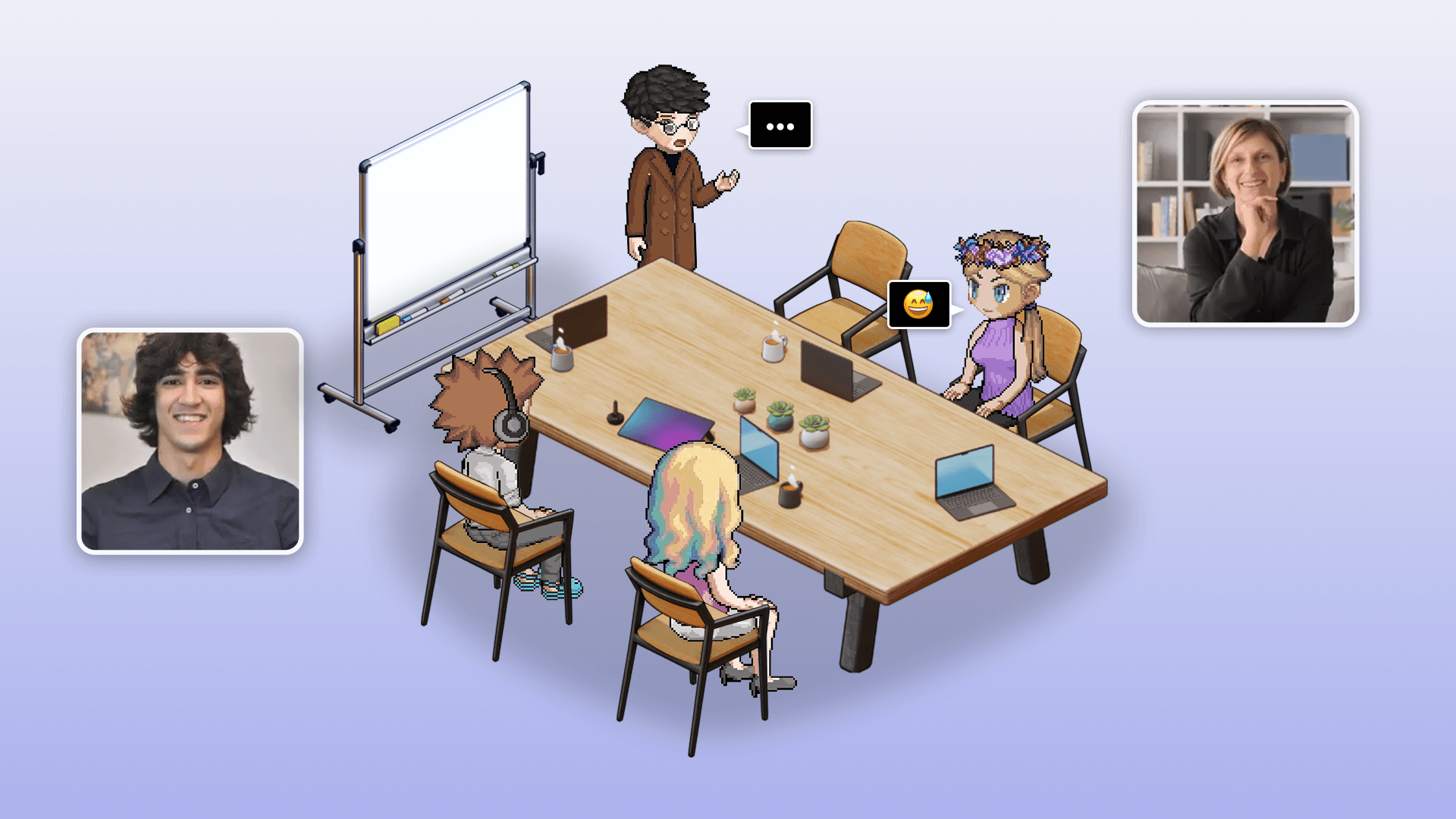
Check out more info on how SoWork is better: Kumospace vs SoWork | Gather vs SoWork
A Founder-Led Rollout
Adoption began at the top.
The founders moved in first. Managers followed. Then the rest of the team.
The rollout was described simply as “trial by fire.” But because leadership embraced the platform early, adoption felt organic rather than forced.
Soon, SoWork became the center of daily work.
A Persistent Office That Restored Presence
Two features quickly became essential to the team:
Persistent virtual office with presence indicators so everyone could see who was online
Mobile and remote access so collaboration stayed flexible
For Steve, visibility changed everything.
Instead of scheduling every conversation, team members could drop into rooms, ask quick questions, and move forward.
Their communication flow naturally shifted to:
Video first. Then audio. Then text.
It felt more human. More natural. More like being in an actual office.
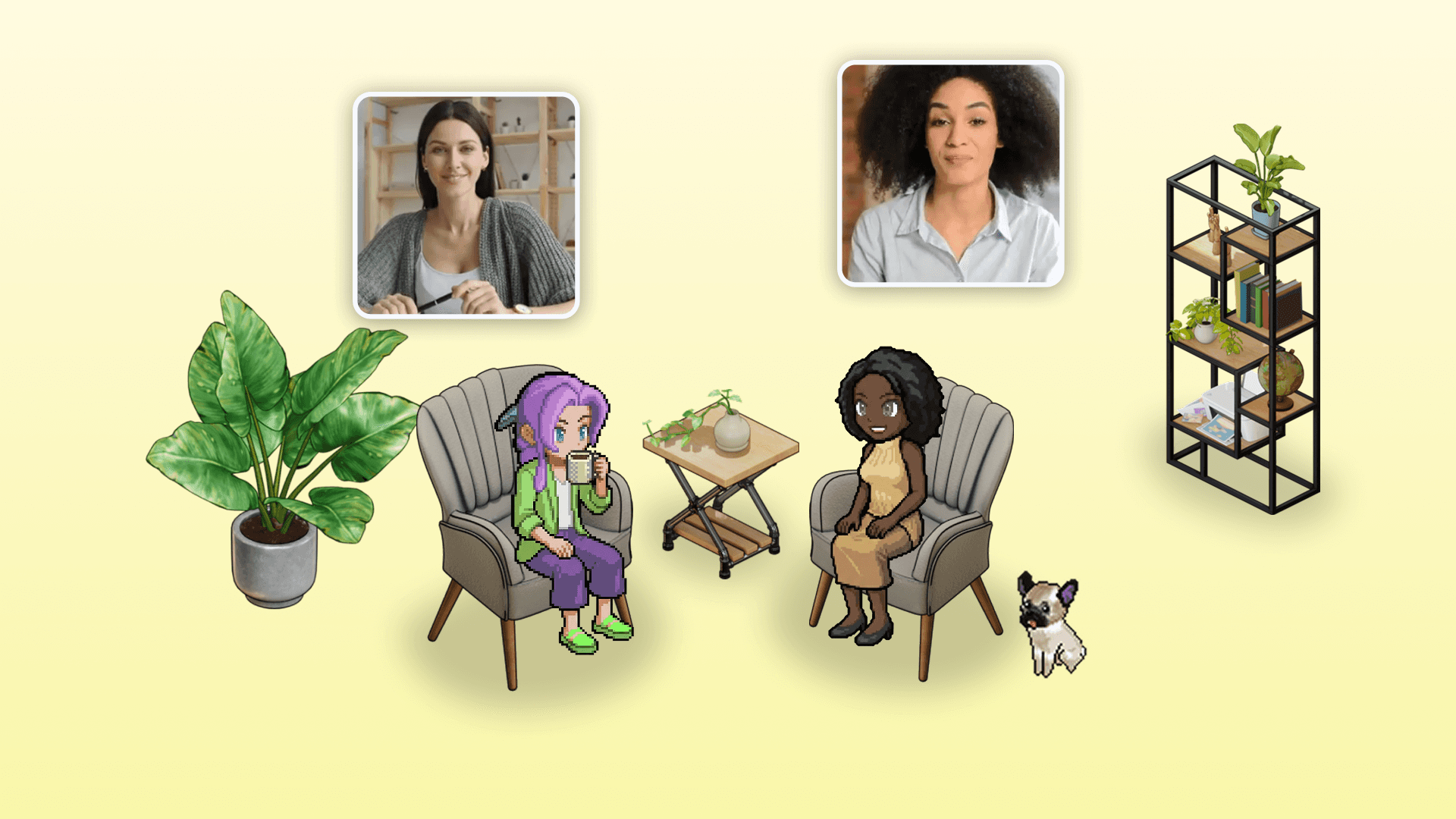
Things move faster when you can just see who is there and talk. It brings back real interaction.
Consolidating Tools and Cutting Costs
Beyond culture, SoWork helped SquidPixels simplify their tech stack.
They:
Cancelled Slack
Reduced Zoom usage to a single account
Consolidated multiple collaboration tools into one workspace
By centralizing communication and collaboration, the team eliminated fragmentation and reduced unnecessary software spend.
More importantly, they gained:
Improved team communication and collaboration
Faster decision-making and problem-solving
Increased accountability and visibility into tasks
A noticeable morale boost
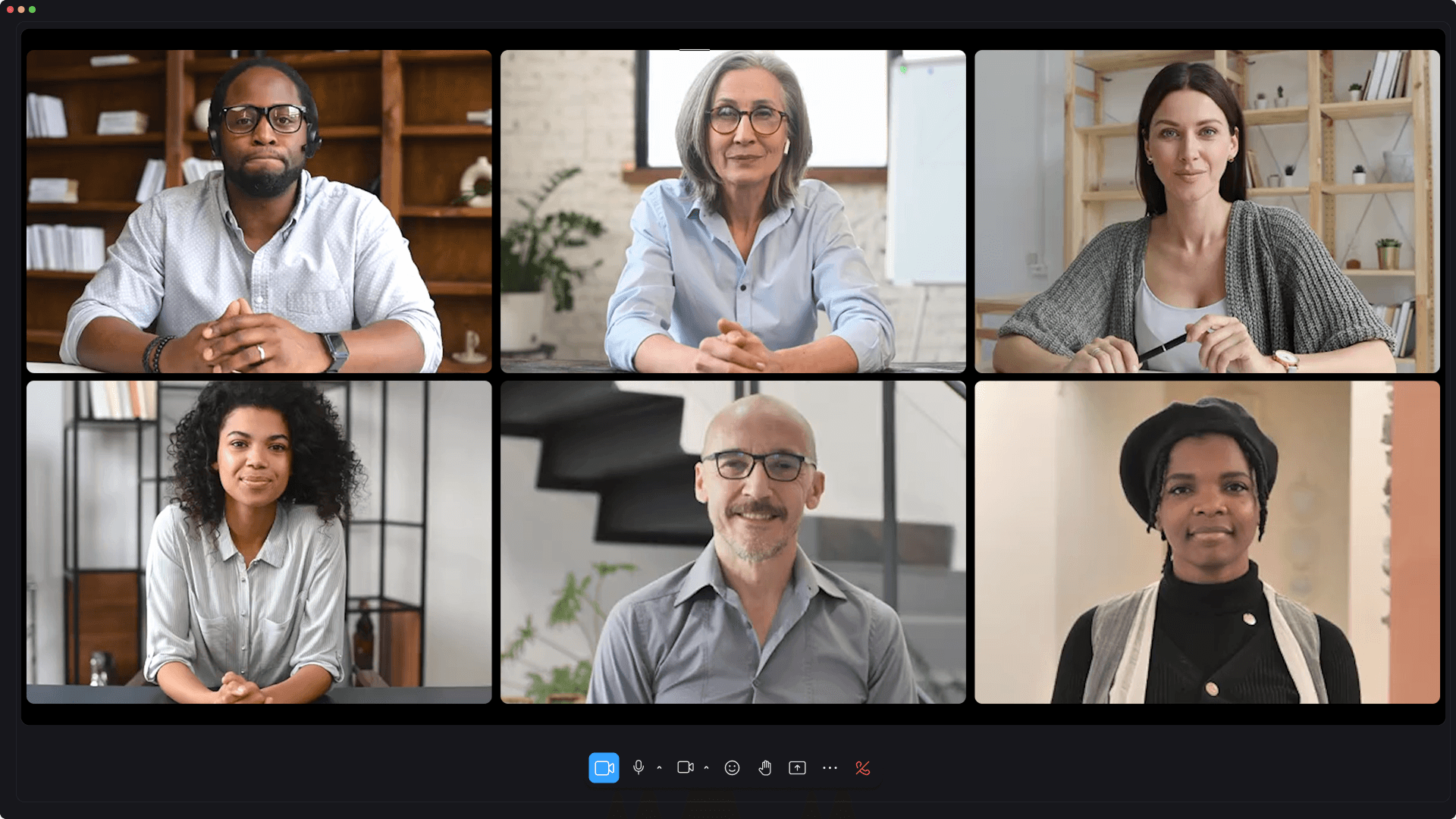
What Stood Out Most
Beyond the platform itself, SquidPixels was impressed with the SoWork team’s responsiveness and support.
The SoWork team responds incredibly fast. We love you guys.
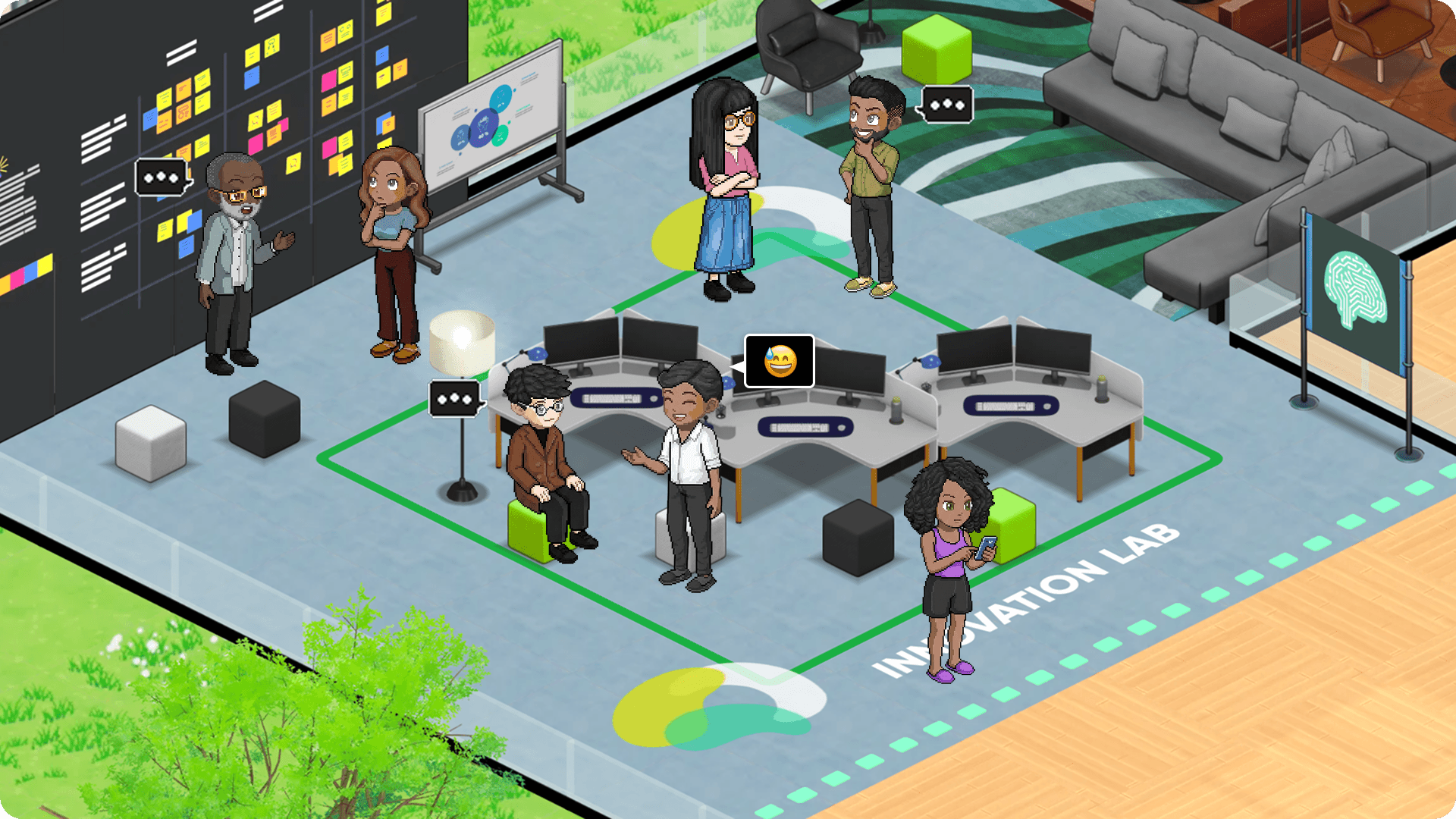
This speed and attentiveness reinforced that SquidPixels was partnering with a team that moves as quickly as they do.
A Culture Rebuilt
For SquidPixels, SoWork became more than a tool. It became their virtual headquarters.
By restoring visibility, simplifying collaboration, and bringing spontaneous interaction back into daily work, the team rebuilt the culture that remote work had slowly eroded.
For distributed teams facing fragmented communication and declining engagement, the solution was not another app.
It was a shared space.