
Culture
Tuesday, December 16, 2025
10 Ways to Build Team Culture in Remote Work
SoWork Editorial Team
Jan 9, 2026
Remote work is productive, but it often lacks the personal connections of a physical office. This is a key reason why CEOs and company leaders keep trying to get teams to return to in-office work. We’re here to tell you that RTO is NOT necessary, provided you have the right tools at your company’s disposal.
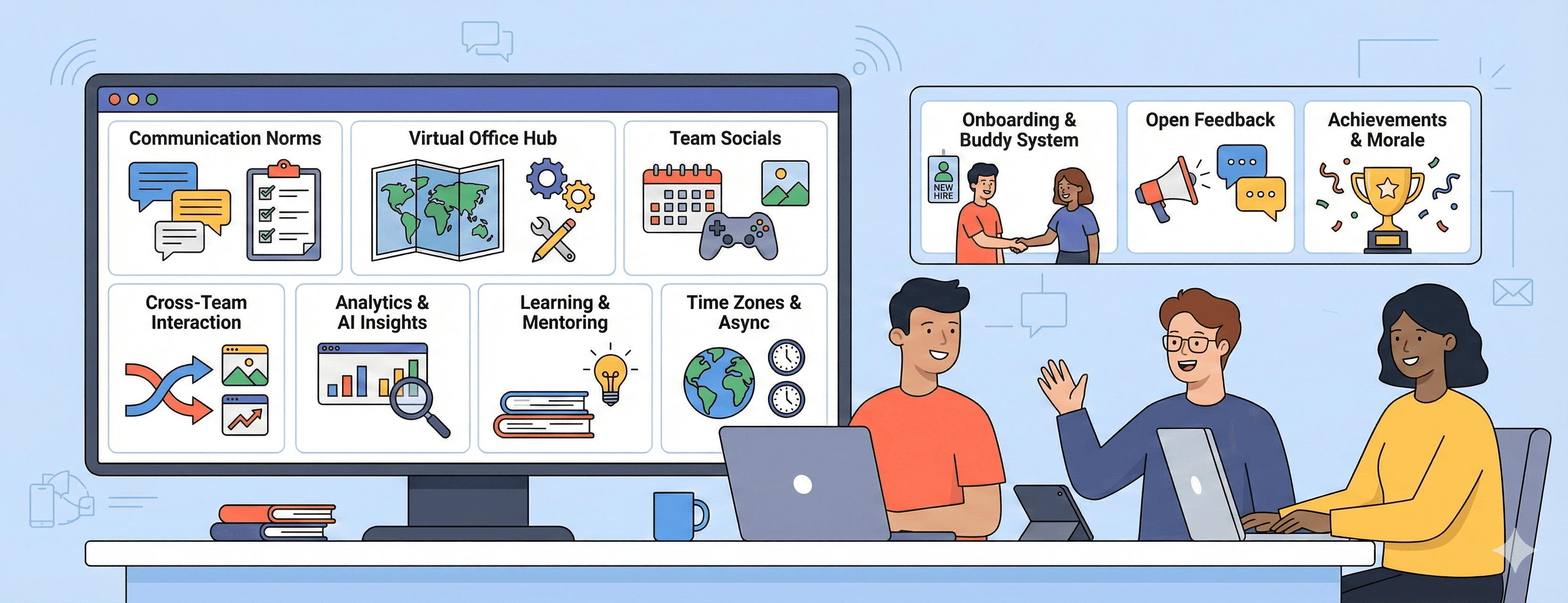
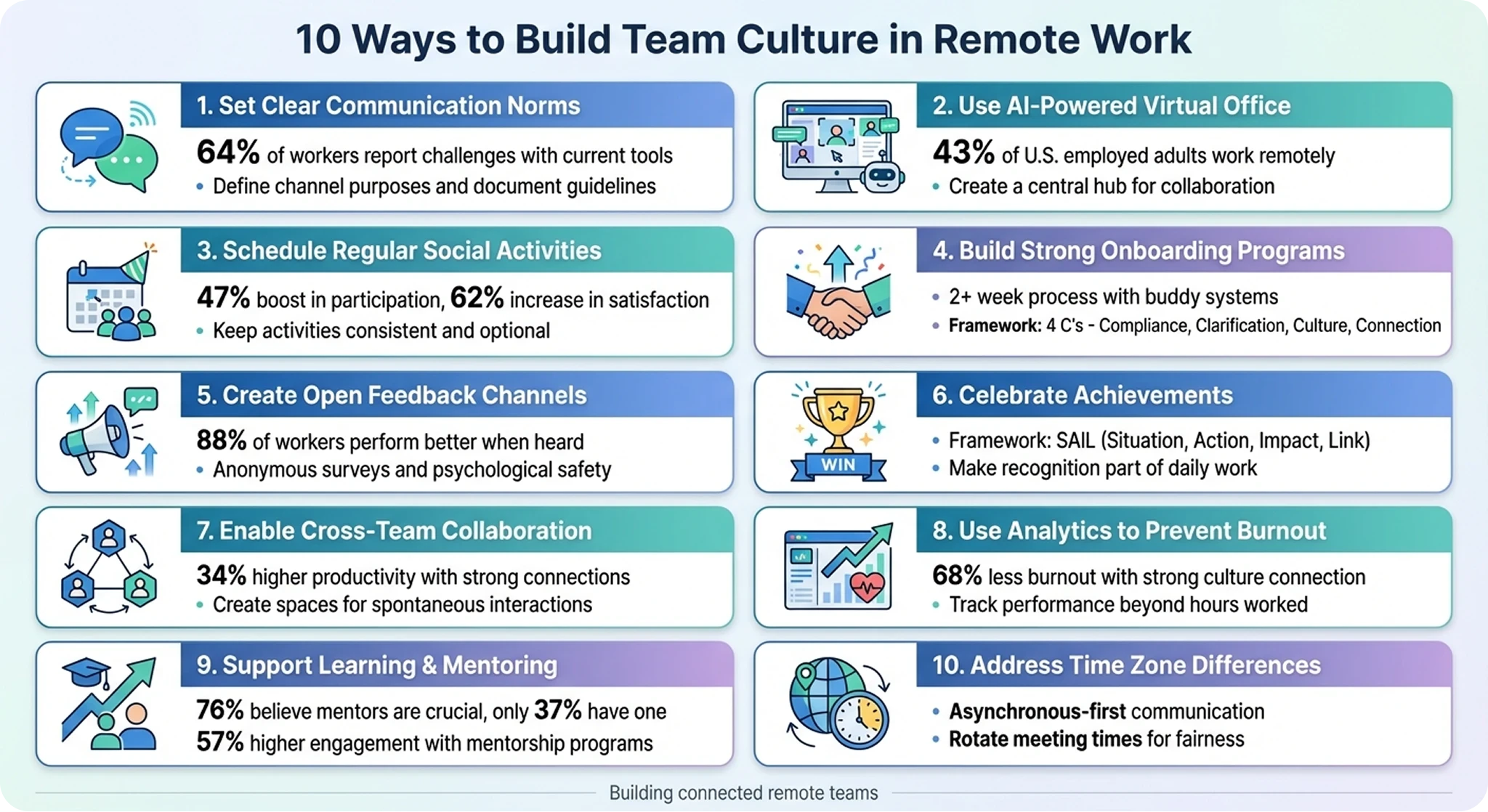
This guide shares 10 practical strategies to help remote teams feel connected, engaged, and supported - no matter the distance. Key tips include:
Setting clear communication norms to reduce confusion and improve team alignment.
Using virtual offices to create a central hub for collaboration.
Planning regular social activities to keep team members connected.
Building strong onboarding programs with e.g. buddy systems for new hires.
Encouraging open feedback channels to address unique virtual challenges and improve trust across distance.
Celebrating achievements to boost morale and motivation when you can’t give in-person hugs.
Enabling cross-team interactions to spark creativity and collaboration.
Leveraging analytics and AI to get a better sense of what remote teammates are up to.
Supporting learning and mentoring to promote personal and professional growth while remote.
Addressing time zone differences for effective asynchronous communication and fair scheduling.
These approaches help remote teams stay productive while fostering a sense of belonging. By using these methods, you can create an environment where every team member feels valued and engaged - whether in Detroit, SF, London, or Rio de Janeiro.
How To Build Culture On A Remote Team
1. Set Clear Cultural Norms and Communication Guidelines
Creating a strong team culture in a remote environment starts with establishing clear communication norms and expectations. With 64% of workers reporting challenges with current tools, having unambiguous guidelines is more important than ever.
Clearly define the SPECIFIC purpose of each communication channel. For instance, use instant messaging for quick updates, email for formal records, and video calls for in-depth discussions. Make sure these guidelines are documented and shared with the team, along with contingency plans for tool outages. These steps ensure smoother communication across your distributed team. People will know what tool to use for what type of communication.
Involve the team in shaping these norms through surveys or open discussions. After all, 88% of U.S. workers say they perform better when they feel their voices are heard. Plus, when team members contribute to setting the rules, they’re far more likely to adhere to them.
To maintain work-life balance (and boost productivity by ~50%!), set clear working hours and response time expectations. Managers should lead by example, demonstrating respect for these boundaries.
Finally, implement a centralized documentation system for meeting notes and project decisions. This reduces repetitive questions, speeds up onboarding, and ensures critical information is preserved. Solid documentation is the backbone of a successful remote team culture.
Tools like SoWork keep all of this communication in one place - your virtual office.
2. Use an AI-Powered Virtual Office as Your Daily Hub
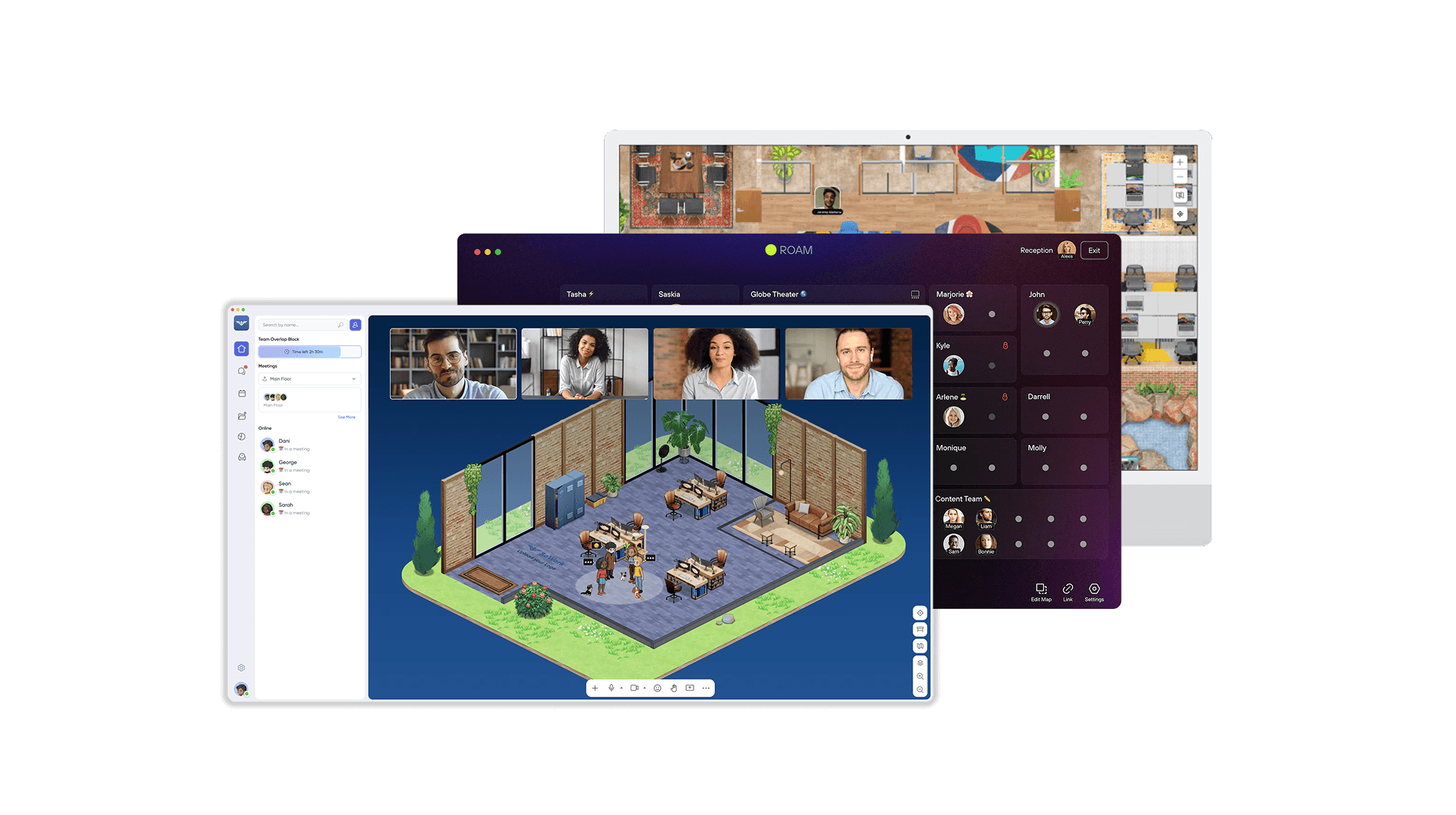
Speaking of - remote teams thrive when they have a central space to collaborate naturally, much like a physical office. We’ve found this in our own research as well. An AI-powered virtual office brings scattered communication together into a unified workspace, creating an environment that feels spontaneous and connected. It’s a way to replicate the energy and ease of in-person interactions, even when working miles apart.
These platforms use spatial video to mimic the dynamics of a real office. When team members log in, they can immediately see who’s available, who’s in a meeting, or who’s heads-down in focused work. The layouts are customizable, allowing you to set up virtual departments, meeting rooms, and even casual hangout areas that align with your company’s workflow and personality.
AI tools built into these platforms handle much of the administrative work. They can automate meeting agendas, take notes, and track follow-ups. This frees up managers to focus on building meaningful connections with their teams instead of getting bogged down in logistics.
With 43% of employed adults in the U.S. working remotely at least part of the time, a virtual hub can tackle common challenges like communication gaps and isolation. Features like real-time translation, transcription, and summarization ensure everyone can actively participate, no matter where they are or what language they speak. It’s about making sure every team member feels included and informed.
3. Schedule Regular Social Activities in Your Virtual Office
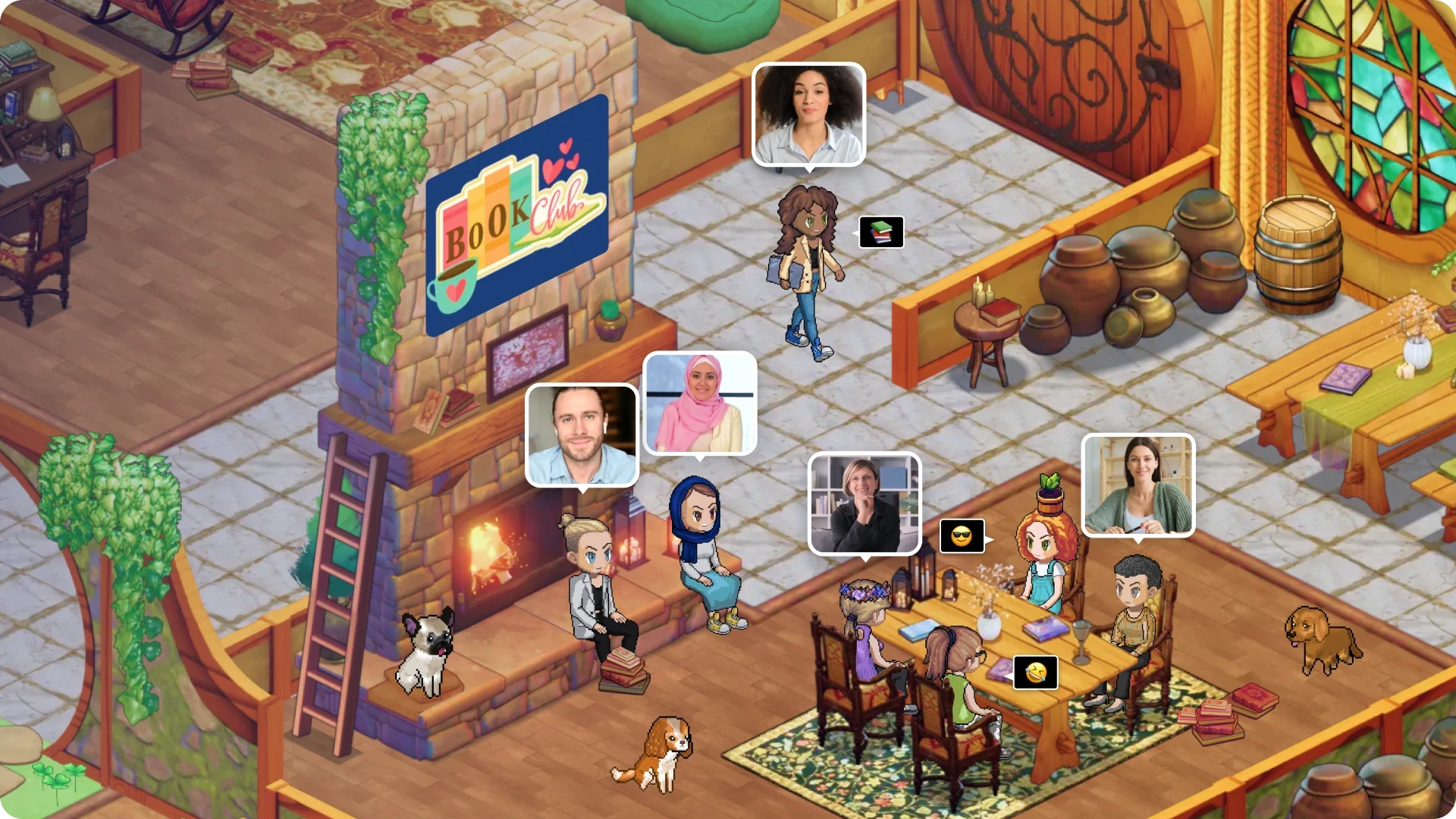
Social activities in a virtual office play a big role in reducing feelings of isolation and fostering real connections among team members. Studies show that nearly 90% of workers say feeling valued is a major factor in their happiness, while over 80% link a sense of purpose to job satisfaction. The trick is to keep these activities consistent, easy to join, and optional - making virtual socializing both effective and enjoyable.
One way to do this is by planning short, recurring events like 15-minute coffee chats, virtual lunches, or end-of-week catch-ups where participation is optional. Honestly, even short team-gaming sessions in SoWork has been super effective for our own team.
Take a page from Atlassian’s playbook: their engineering team replaced mandatory events with a marketplace of activities where employees could suggest and join sessions based on shared interests. The result? A 47% boost in participation and a 62% increase in satisfaction with team connections. This example shows how structured yet flexible activities can strengthen a remote work culture.
To accommodate team members across U.S. time zones, consider an asynchronous-first approach. For instance, you could provide a full day for participation in certain events or rotate live event times weekly to ensure everyone has a chance to join. A diverse social calendar with themes like trivia nights, costume parties, game sessions, or informal technical discussions - such as Dropbox’s “Technical Tea Time,” where team members casually chat about challenges - can keep things fresh and engaging. Creating informal spaces in your virtual environment also encourages spontaneous interactions.
To combat screen fatigue, offer camera-optional interactions. Not every social activity needs to be a video call. You can also create dedicated channels for non-work interests, like sharing TV show recommendations, travel tips, or even pet photos. These spaces, filled with text, gifs, and emojis, allow team members to connect in a more relaxed and fun way.
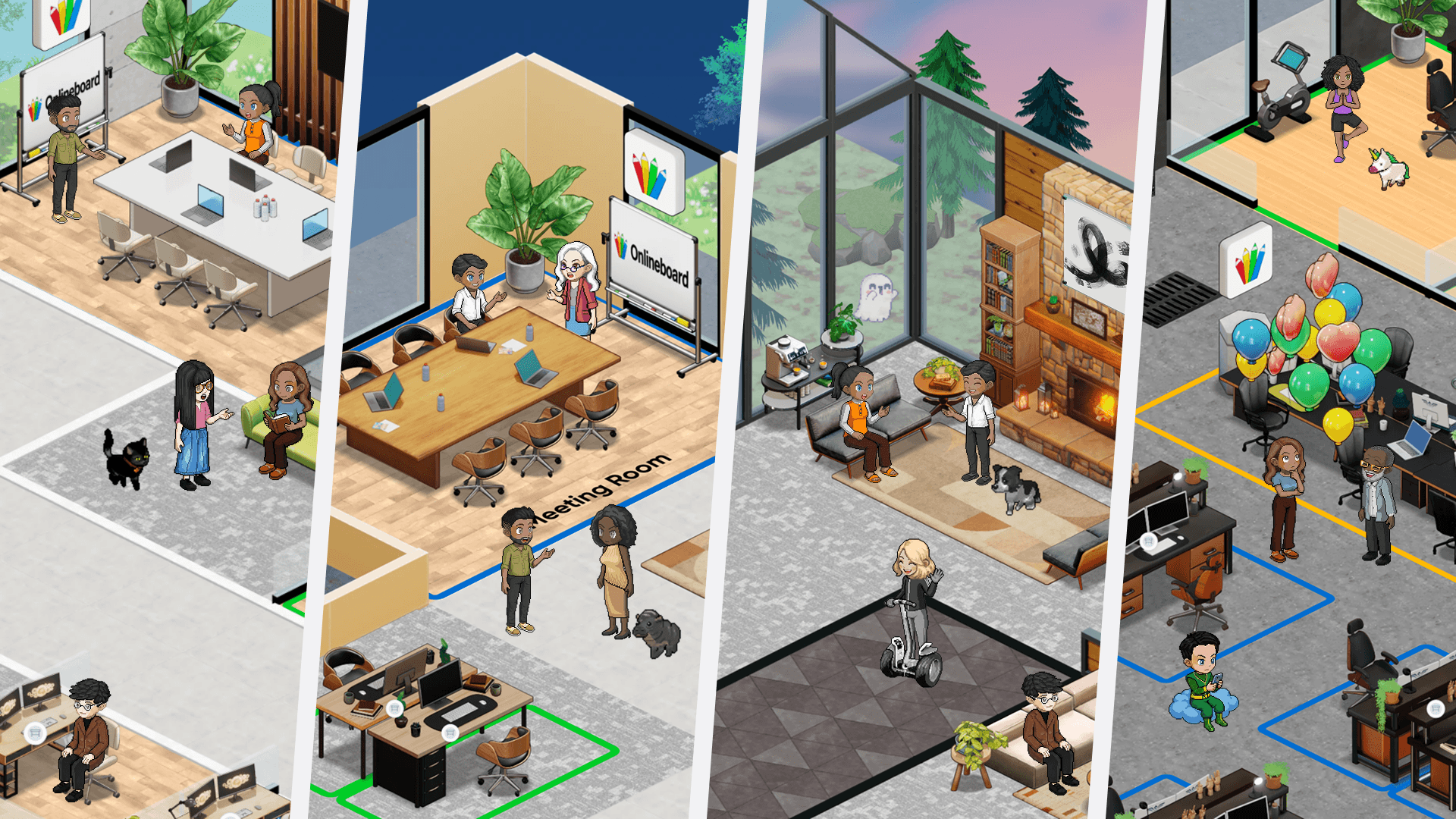
In SoWork, we have quarterly design contests, to see who can create the most interesting / ridiculous corner of an office using our Mapmaker tools (works just like building a house in The Sims).
4. Build Strong Onboarding and Buddy Programs
An effective onboarding process is the key to helping new remote hires feel at home. Stretch this process over at least two weeks, with an extra week dedicated to team-specific training, to give new employees the chance to get familiar with your organization, learn essential tools, and start forming meaningful relationships.
To take things a step further, consider adding a buddy program to your onboarding strategy. These programs can make a big difference in helping new hires feel connected. Use the "4 C's" - Compliance, Clarification, Culture, and Connection - to guide your efforts. While compliance and clarification focus on the basics like paperwork and job expectations, culture and connection are what truly help someone feel like part of the team.
Pairing new hires with experienced team members in the same time zone can be incredibly helpful. These buddies can answer questions, provide guidance, and create a sense of belonging. To make the program successful, set clear expectations for both the buddy and the new hire. Use icebreaker questions to introduce new employees to the team and help them find common ground. Encourage existing team members to reach out via communication channels, sharing interests or hobbies to spark natural conversations. Additionally, establish a feedback system so both parties can share their experiences and ensure the program is meeting its goals.
Mentorship is another way to strengthen bonds within a remote workplace. It promotes personal growth, better communication, and a sense of inclusion. Offering training to help buddies develop coaching skills can make these relationships even more impactful. You can also schedule informal virtual coffee chats or cross-team mentoring sessions to deepen connections across your organization.
In a SoWork virtual office, you can have buddies sit next to each other, or have all the interns and new employees sit together in one section of the office, so that they can get to know each other and immediately bond over their shared newness to the company.
5. Create Channels for Open Communication and Feedback
When working remotely, those casual office chats that naturally build connection and understanding simply don’t happen. Or at least, not without a virtual office.
That’s why if you DON’T have a virtual office, then creating intentional feedback channels is so important. In fact, 88% of U.S. workers say they perform better when they feel heard. Building a strong feedback culture takes effort, but it’s essential for fostering trust within your team.
Start by setting up structured, anonymous surveys. These can be monthly or quarterly and should explore areas like work challenges, team dynamics, overall happiness, and relationships with leadership. By keeping them anonymous, you create a safe space for honest feedback. Tools specifically designed for anonymous input, such as suggestion boxes, can also be a great addition. Atlassian, for instance, recommends using tools tailored for this purpose.
Another key to open communication is creating psychological safety. Amy Edmondson describes this as the confidence to speak up without fear of negative consequences. Teams that feel psychologically safe are 29% more innovative and 67% more likely to share early-stage ideas - both critical for success.
Beyond surveys, make regular check-ins a priority. Schedule one-on-ones, team retrospectives, and open forums where everyone has a chance to contribute. Managers should actively seek input rather than waiting for team members to speak up. To make these conversations effective, establish clear ground rules that promote respect and ensure a judgment-free environment. It’s also important to adapt feedback methods to fit different communication styles.
Leadership transparency is the glue that holds an open communication culture together. When leaders openly share company updates, challenges, and decisions, it strengthens the connection across remote teams. Using a single, integrated communication platform helps keep everyone informed and aligned. Documenting your communication policies ensures everyone knows how and when to provide feedback.
6. Make Recognition and Celebration Part of Daily Work
Creating a strong remote team culture requires consistent, intentional efforts to keep everyone connected. One challenge remote teams face is the lack of those spontaneous, in-person moments of recognition. That’s why weaving appreciation into everyday workflows is so important. Studies show that when employees feel genuinely recognized, they’re more motivated to align with the company’s mission - often more so than financial incentives alone.
A simple way to make recognition part of daily life is to set up a "Kudos" channel on your team’s communication platform. This space can be used for sharing positive feedback and celebrating wins, big or small. For instance, when someone hits a project milestone or solves a tough problem, a quick public shout-out can go a long way in boosting morale.
In SoWork, we created the ability for teammates to gift each other pets as a sign of appreciation, or to give badges for positive behaviors that align with company values. It’s been super well-received.
To make your recognition more meaningful, try the SAIL framework: describe the Situation, the Action taken, the Impact it had, and how it Links to your company’s values. Instead of saying something generic like "great job", you could say, "Your detailed documentation on the API integration saved the development team 10 hours this week and perfectly reflects our value of knowledge sharing." This kind of personalized acknowledgment strengthens team bonds and reinforces shared values.
Don’t limit recognition to work-related achievements. Celebrate personal milestones as well - like birthdays, work anniversaries, or other special moments - during team meetings. Dedicating a few minutes in weekly meetings to highlight individual contributions or quarterly accomplishments can make everyone feel seen and appreciated. You can even automate gentle reminders to encourage team members to share their gratitude for one another.
Lastly, promote peer-to-peer recognition. When team members take the time to acknowledge each other’s efforts, it nurtures a sense of belonging and connection, no matter how far apart they might be.
7. Enable Cross-Team Collaboration and Spontaneous Interactions
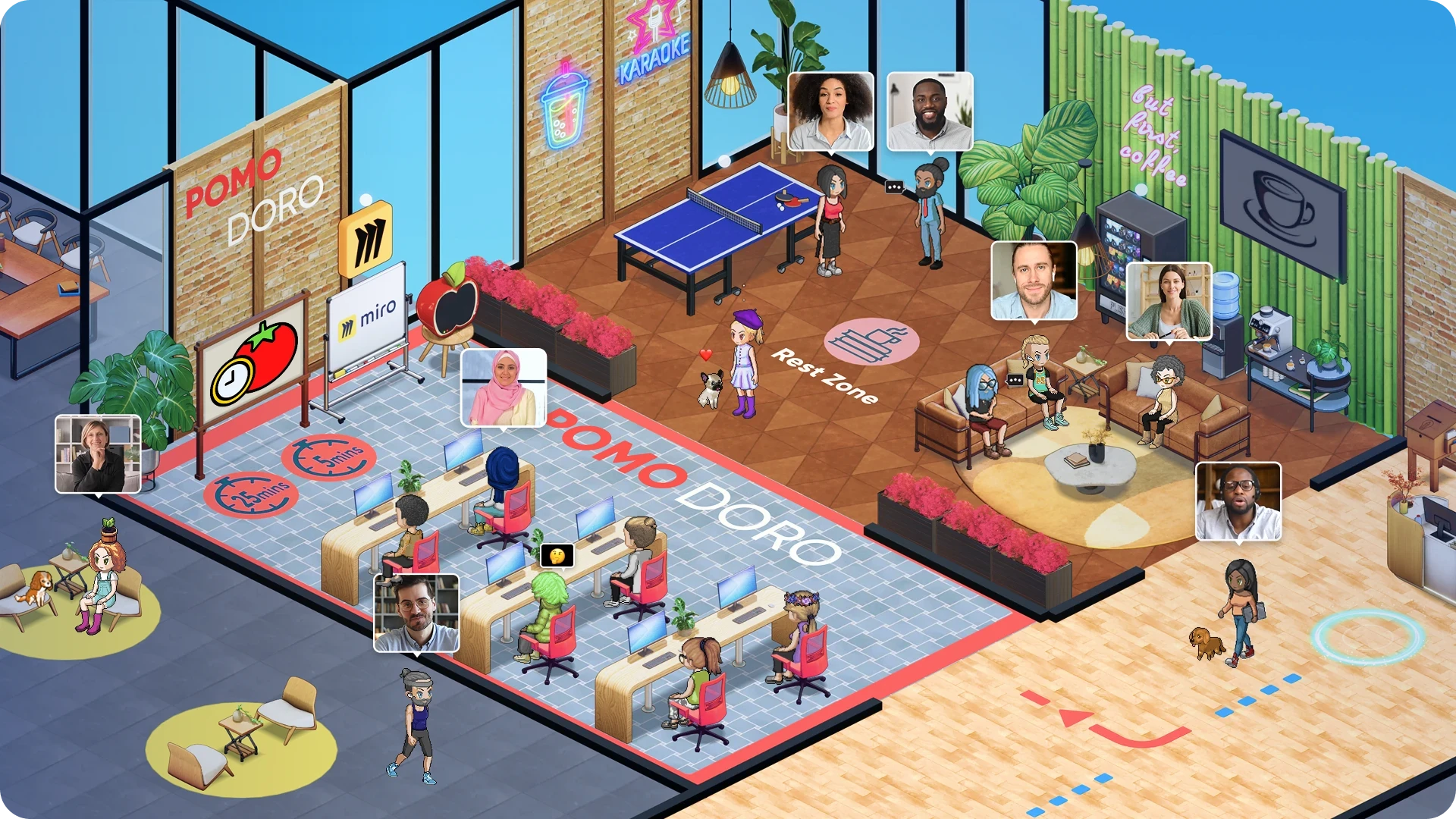
Those casual hallway chats in a physical office? They often spark the most creative ideas and build the strongest cross-team relationships. Unfortunately, if you don’t have a virtual office, these spontaneous moments don’t happen naturally in remote work settings. To fill the gap, digital tools need to step in and make these interactions intentional.
Start by designing a digital workspace that feels welcoming and encourages unplanned conversations. Instead of relying only on scheduled meetings, create spaces where team members can see who’s available for a quick chat. Tools like SoWork’s virtual office allow employees to move through dynamic digital spaces, mirroring the feel of a physical office and enabling natural connections.
To further encourage bonding, set up dedicated channels for off-topic conversations. Think of these as digital watercoolers where team members can share funny posts, personal updates, or even favorite memes. Emojis and GIFs can add a playful touch, keeping the vibe light and engaging.
Another way to strengthen cross-team ties is by introducing random pairing programs. These programs match employees from different departments for short, informal chats. It’s not just a nice-to-have - there’s data to back it up. Remote engineering teams with strong personal connections report 34% higher productivity, according to 78% of respondents surveyed. Random pairings can be an easy and effective way to build those connections.
GitHub offers a great example with its "follow-the-sun" knowledge-sharing model. Teams record video walkthroughs that colleagues in other time zones can review, fostering collaboration across regions. The key takeaway? Cross-team interactions should feel meaningful and voluntary, focusing on creating genuine value for everyone involved. These efforts not only strengthen collaboration but also add a layer of connection that’s essential for any remote team culture.
8. Use Analytics and AI to Prevent Burnout and Protect Focus Time
Remote work makes it harder for managers to spot burnout early. Without the usual physical cues - like tired faces or late-night office stays - many signs go unnoticed. In fact, 60% of managers say it's more difficult to evaluate and connect with remote employees compared to those in the office. This is where analytics and AI can step in to fill the gap.
In fact, we decided to build these features in SoWork all because our CEO could feel a few employees burning out, and wanted to fix it at the root.
Track performance beyond hours. Instead of focusing on how many hours employees log, pay attention to metrics like the quality of their work, how quickly projects are completed, and their contributions to team goals. AI tools can help by flagging issues like overloaded calendars filled with back-to-back meetings or when collaborative work starts eating into focus time. The idea here is not to micromanage but to create a balance. For example, engineering teams typically perform best when about 70% of their time is reserved for focused, independent work, with the remaining 30% spent on meaningful collaboration.
Take action based on the data. If analytics show an overload of meetings, cut down on unnecessary calls and protect blocks of time for deep work. Encourage employees to add breaks to their calendars and respect those boundaries. If someone’s workload becomes too heavy, redistribute tasks to avoid burnout. Tools like SoWork's team analytics can highlight these trends in real time, giving managers the chance to step in before issues escalate.
Connection to company culture also plays a huge role in combating burnout. Employees who feel a strong connection to their workplace are 68% less likely to experience frequent burnout. By adopting predictive strategies and training managers to use data as a guide - not a rulebook - you can create a healthier, more balanced work environment.
9. Support Learning, Mentoring, and Career Development
Remote work shouldn’t put career growth on hold. Yet, 76% of people believe mentors are crucial, but only 37% actually have one. This gap becomes even more pronounced in remote environments where those spontaneous learning moments tend to disappear. To address this, companies need to adopt structured programs that keep development opportunities alive.
Start with structured mentorship programs. Organizations that implement mentoring programs report 57% higher employee engagement and retention. To make this work, establish clear guidelines - how often mentors and mentees should meet, preferred communication methods, and specific goals to achieve. Pair seasoned team members with newer hires and provide conversation prompts to help break the ice, especially in virtual settings. Tools for scheduling and communication can make these interactions smoother, but the relationships should still grow naturally over time.
Expand beyond mentorship with skill-sharing opportunities that transcend time zones. For example, in 2024, Middleware Technologies introduced rotating technical lightning talks. These 5-10 minute presentations allowed engineers to share how they tackled tough problems or came up with creative solutions. The result? A 43% boost in cross-team collaboration within a single quarter. This strategy not only highlights hidden expertise but also sparks organic discussions. By recording these sessions, employees in different time zones can watch and contribute asynchronously, ensuring no one is left out.
Integrate learning into daily routines. We mentioned this early, but again: Dropbox’s engineering team came up with "Technical Tea Time", informal gatherings to discuss intriguing technical challenges. These sessions helped strengthen connections across teams and fostered mentorship relationships. You can replicate this idea with virtual lunch-and-learns, rotating the schedule to accommodate different time zones, and recording sessions for those who can’t join live. Another example is SoWork’s virtual office, which offers dedicated spaces for informal knowledge-sharing, making it easier for team members to drop in and exchange ideas.
Measure success and adapt as needed. Set clear objectives for your learning initiatives, whether it’s improving specific skills, fostering cross-team knowledge sharing, or reducing employee turnover. Again, use SMART goals (Specific, Measurable, Attainable, Relevant, Time-bound) to guide your efforts, and regularly evaluate the outcomes. Keep in mind that 87% of mentors and mentees report feeling more empowered and confident through their mentoring relationships. When done right, these programs create value for everyone involved.
10. Address Time Zone Differences and Ensure Equal Participation
Time zone differences can create friction within a team if not handled thoughtfully. Imagine one group working during normal hours while others are forced to join meetings at the crack of dawn or late at night - it’s a recipe for frustration. This imbalance can quickly lead to feelings of exclusion, with some team members perceiving themselves as "outsiders" while others form a central hub. The key isn’t just about finding a universally convenient meeting time - it’s about reshaping how your team communicates.
Shift to asynchronous communication. To tackle time zone challenges, make asynchronous communication the norm. Tools like Loom can help you record and share meetings, enabling team members to engage at their convenience. Establish a 24-hour response window for routine messages, while urgent matters can have shorter deadlines. This approach allows everyone to work during their most productive hours without being constantly interrupted. Plus, relying on detailed documentation instead of live explanations helps create a searchable knowledge base that everyone can access and benefit from.
Rotate meeting times for fairness. When synchronous meetings are unavoidable, rotate the schedule to ensure no region is repeatedly stuck with awkward times, like early mornings or late nights. GitHub’s "follow-the-sun" strategy is a great example - they record technical sessions so colleagues in different time zones can review them later, fostering seamless global collaboration and building stronger cross-regional ties. Always record live sessions so those unable to attend can catch up without missing out.
Make meetings efficient and inclusive. Every meeting should have a clear purpose, a well-defined agenda, and only include those who genuinely need to be there. Assign a facilitator to keep discussions focused and use structured formats - like round-robin updates or hand-raising features in video calls - to ensure everyone has an opportunity to contribute. Leave time for questions and document key points in a shared file to support team members who rely on asynchronous updates.
Increase visibility into team availability. Beyond scheduling flexibility, ensure everyone is aware of each other's availability. Use tools that visualize time zones so teammates can easily see who’s online and when. Pair new hires with a buddy in their region to help them settle in more comfortably. Reinforce that asynchronous participation is perfectly acceptable. By blending synchronous and asynchronous elements into team activities, you create an environment where every member feels valued, no matter where they’re located.
Conclusion
Creating a strong remote team culture isn’t something you set and forget - it’s an ongoing process that requires dedication and a willingness to try new approaches. The 10 strategies outlined here, from setting clear communication norms to accommodating time zones, offer a solid starting point. Companies that prioritize team-building in remote-first environments often see lower turnover rates, proving that deliberate effort makes a difference.
The important thing is to begin and keep improving. Use data to guide your efforts - send out monthly or quarterly anonymous surveys to understand how your team feels and identify what’s working. For example, 88% of U.S. workers say they’re motivated to do their best work when they feel their managers are listening to them. Regular feedback loops like this not only build trust but also help maintain engagement.
Technology plays a huge role in making these strategies easier to implement. Tools like AI-powered virtual offices, such as SoWork, bring everything together in one place - streamlining communication, automating repetitive tasks, and creating opportunities for genuine connections.
As your company grows, don’t forget that remote culture evolves, too. It’s important to regularly revisit and refine your practices. Thriving remote teams find the right balance between autonomy and collaboration, protect time for focused work, and prioritize psychological safety. This last piece is especially impactful - teams with strong psychological safety see 29% higher innovation and 67% more idea sharing.
Start applying these strategies today to build a connected and motivated remote team. Track your progress, adjust as needed, and watch your efforts pay off as your team becomes more cohesive, engaged, and high-performing. Investing in your team culture is an investment in your company’s future.
We’re happy to help with onboarding, demos, or even to make you a custom office that reflects your brand and culture - just give us a shout and we’ll be with you in a jiffy.