
Productivity
Monday, January 19, 2026
Remote Team Visibility: Building Transparency and Accountability in Distributed Teams
SoWork Editorial Team
Jan 19, 2026

As hybrid models have solidified as the future of work, creating transparent
systems that enable accountability without surveillance has become critical for
organizational success.
This guide covers visibility strategies, implementation frameworks, and tool
selection criteria for distributed teams. Team leads play a crucial role in
creating visibility and fostering transparency by sharing updates and
recognizing team efforts. It excludes basic remote work setup topics and
focuses specifically on how leaders can build transparency systems that drive
performance.
Direct answer:
Remote team visibility is the intentional practice of creating transparency into
team progress, workload, and mental health without resorting to invasive
monitoring. Unlike surveillance (which tracks activity), visibility focuses on
presence and outcomes. In 2025, the goal is to bridge the "Visibility Gap" by
providing visual cues that mimic an office environment, allowing leaders to
support, not spy on, their teams.
By the end of this article, you will gain:
Clear frameworks for distinguishing supportive visibility from surveillance.
Implementation strategies for building visibility systems your team will
actually adopt.Tool selection criteria based on your organization’s needs.
Practical solutions for overcoming resistance and maintaining
engagement.
1. Presence vs. Surveillance: The Psychological Divide
The most critical distinction for remote leaders is the difference between
Presence and Surveillance.
Surveillance: Screen-capturing, keystroke logging, and "active" green
lights. This triggers the "Psychological Tax," leading to high burnout and
low trust.Presence: Seeing a teammate "at their desk" in a virtual office. This
provides social cues, knowing when someone is "in a meeting,"
"focused," or "available for a quick chat."
Why it matters: Research shows that surveillance-based tracking kills the Next
Logical Step in remote growth: employee autonomy. Teams that feel watched
work harder on "looking busy" than on actual outcomes.
Remote leaders often confuse presence with productivity. There is a necessary
shift from surveillance to supportive visibility, where the emphasis moves
from monitoring activity to understanding outcomes and supporting team
success.
Successful visibility systems empower employees through self-reporting
mechanisms and transparent expectations rather than imposing top-down
monitoring that signals distrust.

2. Outcome-Based Tracking: Killing the "8-Hour" Fallacy
Research consistently shows that presence alone proves nothing about
productivity. A remote worker who delivers exceptional results in focused four-
hour blocks creates more value than one who logs eight hours of unfocused
activity. This is why leaders increasingly adopt results-oriented management,
where clear goals aligned with company priorities take precedence over
monitoring how many hours someone spent at their virtual office.
Activity-based tracking focuses on inputs (hours logged); Outcome-based
tracking focuses on deliverables.
The Context Switching Tax: Remote workers lose up to 40% of their
productivity jumping between Slack, Zoom, and email just to "prove" they
are working.
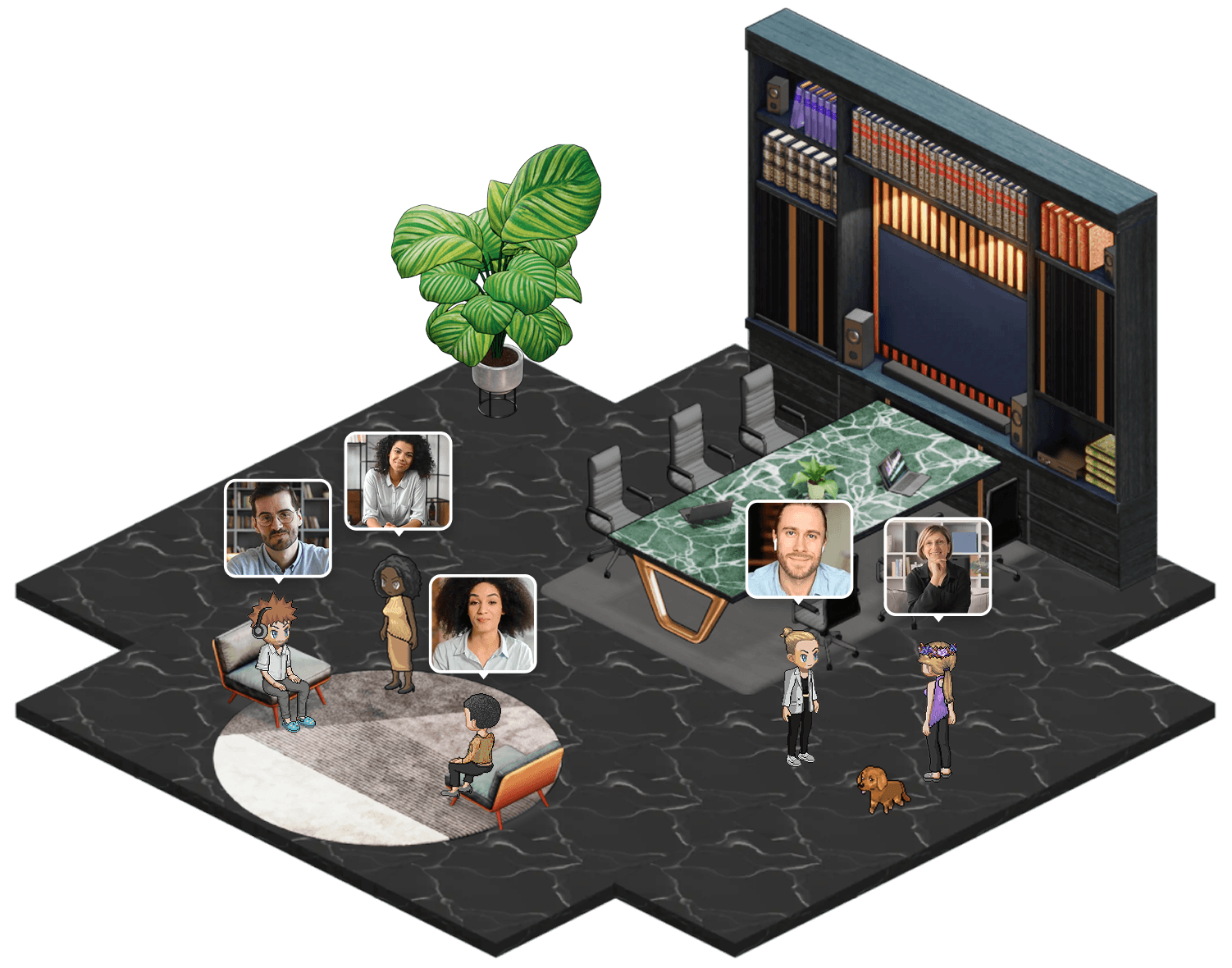
The Solution: Use a Schematic Mode or visual office. Instead of a status
update, a manager sees the team moving through a virtual project space.
Pro-Tip: If your team spends more than 2 hours a day on "status update"
meetings, you don't have a visibility problem; you have a fragmented tool
stack problem.
3. Building Effective Remote Team Visibility Systems
With foundational concepts established, the next step is designing systems that
create more visibility into the work that matters. Effective visibility systems don’t
just track productivity; they enable better coaching conversations, surface new
ideas, and strengthen team cohesion across distributed teams. Visibility with
remote teams also lets workers know they are part of a bigger team and crucial
to the company overall.
Focus Time and Productivity Patterns
Tracking deep work periods helps leaders identify when remote workers
achieve their peak performance. By understanding individual focus patterns,
managers can schedule time for virtual meetings when they’re least disruptive
and protect blocks when employees do their best work.
This data-informed approach to visibility respects autonomy while enabling
smarter scheduling decisions.
Workload Distribution Monitoring
Visibility into workload distribution prevents burnout and identifies imbalances
before they become critical problems. When leaders can see task assignments
across the team, they can redistribute work, provide additional support, and
ensure no single person carries unsustainable responsibility.
Progress Communication Frameworks
Structured status updates create predictable rhythms for sharing
accomplishments and blockers. The most effective frameworks combine
asynchronous updates, daily or weekly progress reports that don’t demand
immediate responses, with synchronous touchpoints like team meetings and
one-on-ones.
A virtual office also offers opportunities for more spontaneous syncs: Reducing
the need for scheduled Zoom calls by allowing "walk-up" conversations.
4. Comparison: Implementation Strategies and Tools
Building on visibility frameworks, successful implementation requires
thoughtful tool selection and deliberate change management. Organizations
that report the best outcomes from visibility initiatives combine technical
solutions with cultural commitment to transparency.
Feature | Legacy Monitoring (Spyware) | Virtual Office (SoWork) | Project Management (Asana) |
Primary Metric | Keystrokes / Screenshots | Presence / Outcomes | Task Status |
Team Impact | High Anxiety / Turnover | High Trust / Culture | Neutral / Functional |
Leadership Value | Micromanagement | Real-time Support | Retrospective Review |
Result | Reduces Trust | Increases Speed | Tracks History |
5. Common Challenges and Solutions
Even well-designed visibility systems encounter resistance and adoption
barriers. Anticipating these challenges allows leaders to address them
proactively and maintain momentum.
Maintaining non-work channels for informal chats can build camaraderie
among remote teams. Fostering social connections through virtual events
such as game nights or coffee breaks also strengthens team bonds. Partners
for mentorship or buddy programs can help new remote hires integrate and
encourage social interactions.
Implementing two-way feedback mechanisms to gather employee input
regularly can enhance engagement and help refine visibility practices.
Encouraging recognition of achievements through public shout-outs or virtual
awards boosts team morale and motivation.

6. Conclusion and Next Steps
Effective remote team visibility builds trust and drives performance through
transparency, not surveillance. By focusing on outcomes rather than activity,
creating structured communication frameworks, and selecting tools that
integrate into existing workflows, organizations develop the awareness needed
to support distributed teams without creating anxiety or resentment.
Immediate next steps:
Assess your current visibility gaps by surveying managers and employees
about information needs.Involve your team in designing visibility frameworks, collaborative design
builds adoption.Establish clear expectations about what visibility means and how data
informs decisions.
As hybrid work continues to define the future of organizations across
industries, visibility becomes a strategic advantage. AI-powered virtual offices
like SoWork provide a specialized answer to the future of remote work.